French Top 1–1,000 Flashcards
The 1–1,000 most common French words with part of speech, gender, English and Vietnamese meanings and example sentences.
Keys: Space flip · ← → move · K known · L learning · S speak · F fullscreen
Top 1–1,000 word list – part 4 of 20
| # | Picture | Word | Part of speech | Meaning | Tiếng Việt |
|---|---|---|---|---|---|
| 151 | oh interjection | interjection |
oh ôi, ồ
|
ôi, ồ | |
| 152 | puis conjunction | conjunction |
and · (adverb) then; after; next rồi
|
rồi | |
| 153 | comment adverb | adverb |
how thế nào, làm sao, theo cách nào
“Comment ça va ?”
|
thế nào, làm sao, theo cách nào | |
| 154 | beaucoup adverb | adverb |
much, very much, a lot nhiều lắm
“Merci beaucoup!”
|
nhiều lắm | |
| 155 | monsieur noun (m.) | noun (m.) |
mister, sir; gentleman ông, ngài; thưa ông, thưa ngài; ông chủ
“Il y a un monsieur pour vous voir.”
|
ông, ngài; thưa ông, thưa ngài; ông chủ | |
| 156 | voilà preposition | preposition |
it has been, ago đấy, ở kia, đó là; thế là... đấy; đã
“Voilà trois jours que je l'ai pas vue.”
|
đấy, ở kia, đó là; thế là... đấy; đã | |
| 157 | mieux adverb | adverb |
more, -er tốt hơn, hay hơn, hơn; càng
“C'est mieux cher si tu achètes à l'unité.”
|
tốt hơn, hay hơn, hơn; càng | |
| 158 | 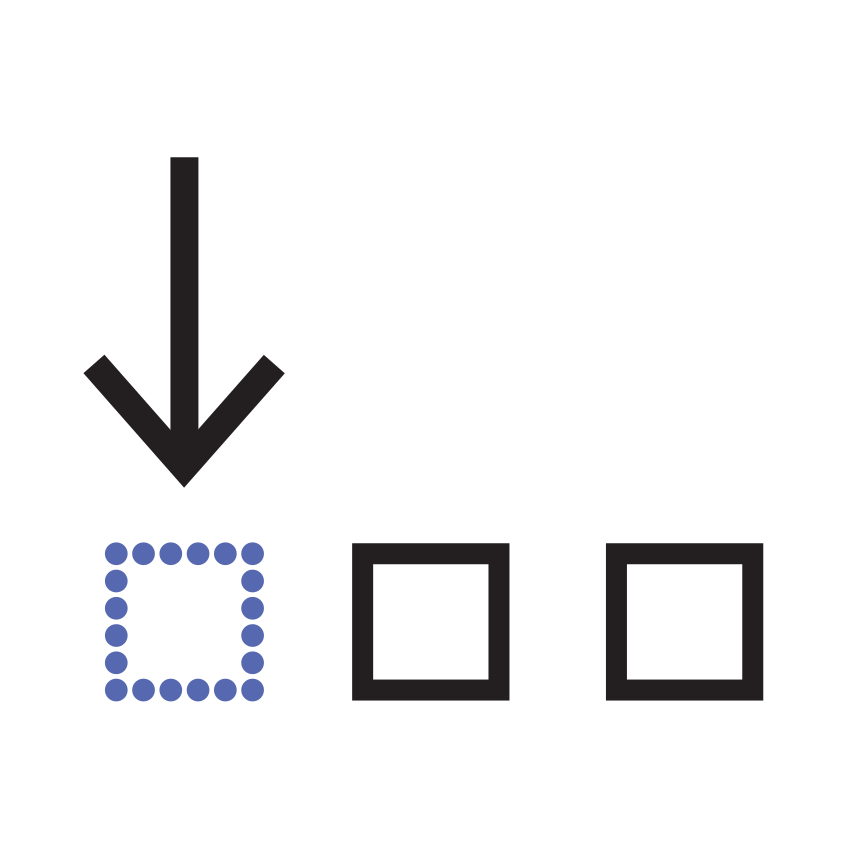 |
premier adjective | adjective |
first; prime (number etc) · (noun) first; premier đầu, đầu tiên; đứng đầu; hàng đầu
“Le premier élément de la liste est un zéro.”
|
đầu, đầu tiên; đứng đầu; hàng đầu |
| 159 |  |
trois number | number |
three ba
|
ba |
| 160 | ni conjunction | conjunction |
neither; nor cũng không (ni … ni)
|
cũng không (ni … ni) | |
| 161 | besoin noun (m.) | noun (m.) |
need; want (state of being in need) điều cần, nhu cầu; sự cần thiết, sự cần
|
điều cần, nhu cầu; sự cần thiết, sự cần | |
| 162 | depuis preposition | preposition |
since; since, ever since · (adverb) ever since, since then từ, từ khi; từ lâu
“On habite ici depuis l'an 2000.”
|
từ, từ khi; từ lâu | |
| 163 | elles pronoun | pronoun |
they (female) họ, chúng nó (giống cái)
|
họ, chúng nó (giống cái) | |
| 164 | gens noun (m. pl.) | noun (m. pl.) |
set of people người; người làm, người ở
“Ces gens-là ont toujours été sympas avec moi.”
|
người; người làm, người ở | |
| 165 | merci interjection | interjection |
thank you · (noun) mercy; grace sự thương xót
“Merci pour ton aide.”
|
sự thương xót | |
| 166 |  |
rendre verb | verb |
to return, to restore, to give back trả, trả lại, hoàn lại
“rendre la santé”
|
trả, trả lại, hoàn lại |
| 167 | 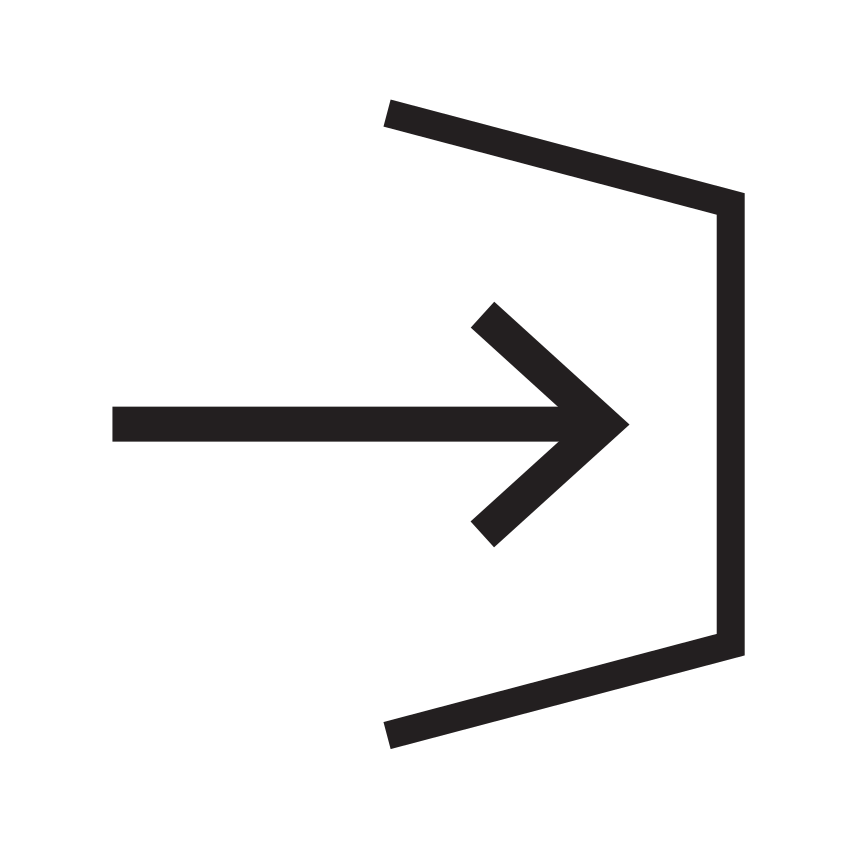 |
finir verb | verb |
to finish, end, complete; to end up làm xong, hoàn thành, kết thúc
“J'ai fini les devoirs hier.”
|
làm xong, hoàn thành, kết thúc |
| 168 | devenir verb | verb |
to become trở thành, trở nên
|
trở thành, trở nên | |
| 169 | vivre verb | verb |
to live; to experience sống
“vivre comme un roi”
|
sống | |
| 170 |  |
essayer verb | verb |
to test, to try on; to try, to attempt thử; dùng thử
“Essayez cette chemise.”
|
thử; dùng thử |
| 171 | nom noun (m.) | noun (m.) |
name; last name, family name tên; tên họ; danh từ; danh nghĩa
“Quel est votre nom ?”
|
tên; tên họ; danh từ; danh nghĩa | |
| 172 |  |
porte noun (f.) | noun (f.) |
door; gate (to a city, at airport) cửa; hẻm
|
cửa; hẻm |
| 173 | perdre verb | verb |
to lose (be unable to find); to lose (not win) mất; thua; làm hỏng, làm hư hỏng
“J'ai perdu les clés, mais un de mes amis les a trouvées.”
|
mất; thua; làm hỏng, làm hư hỏng | |
| 174 | quel, quelle determiner | determiner |
which; what, what a (used to form exclamations) gì nào; mấy; biết mấy, xiết bao
“Quelle catastrophe !”
|
gì nào; mấy; biết mấy, xiết bao | |
| 175 | mort noun (m.) | noun (m.) |
dead person sự chết, sự qua đời; cái chết
|
sự chết, sự qua đời; cái chết | |
| 176 | 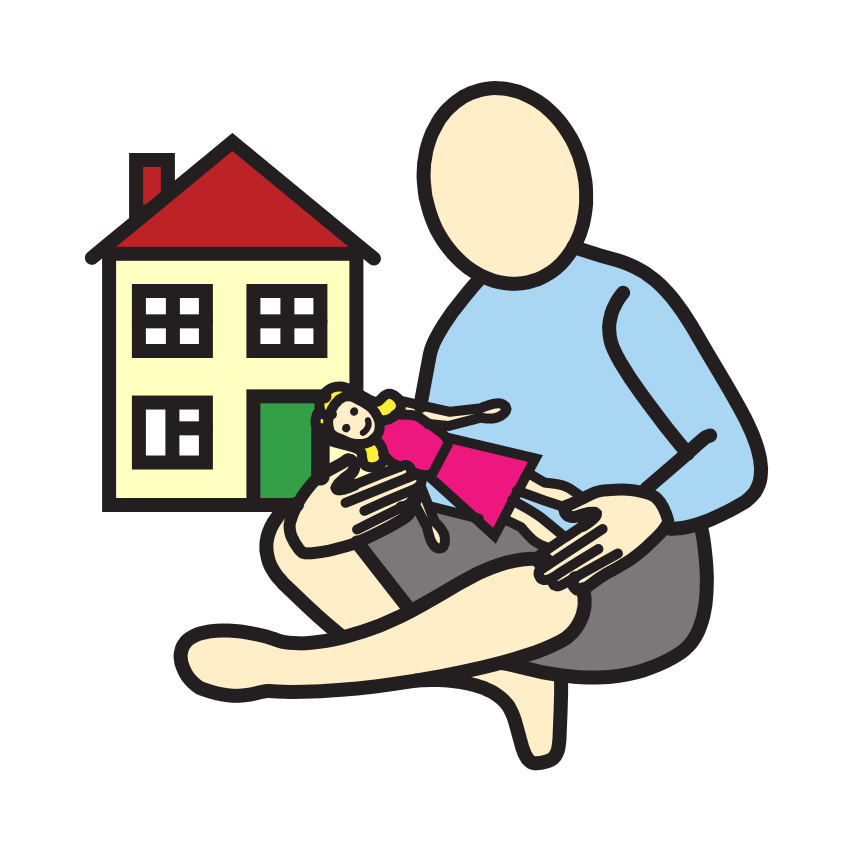 |
jouer verb | verb |
to play (engage in games or play) chơi; giỡn, lung linh, ve vẩy
“Jouer selon les règles”
|
chơi; giỡn, lung linh, ve vẩy |
| 177 | 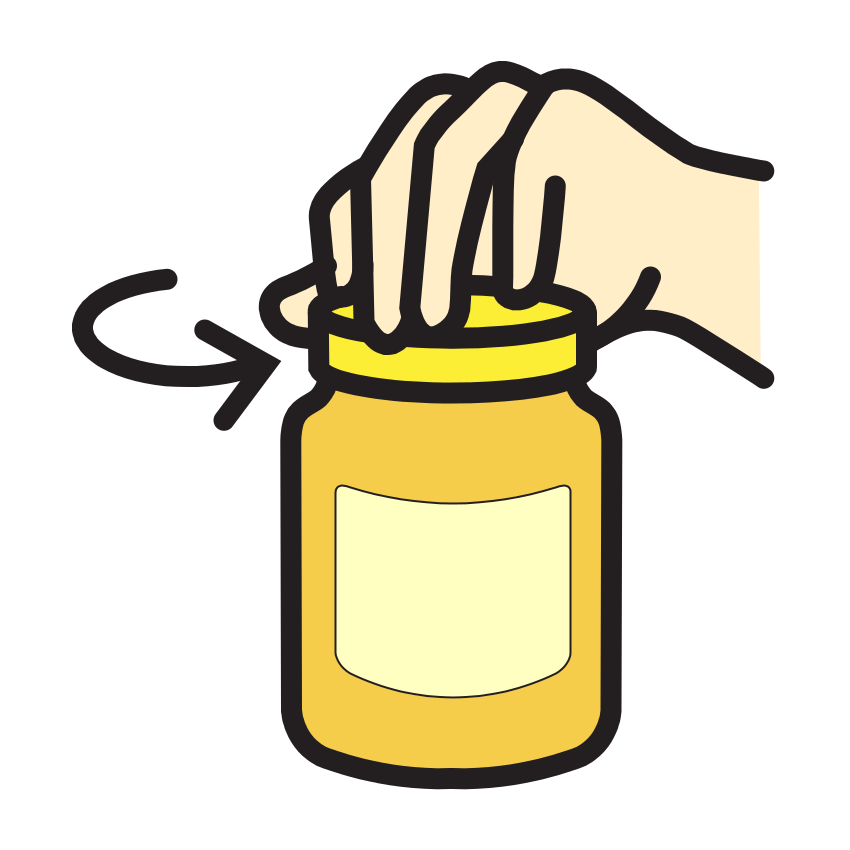 |
ouvrir verb | verb |
to open; to begin, to initiate mở; mở cửa; cởi mở
“À peine arrivé, il a ouvert les hostilités.”
|
mở; mở cửa; cởi mở |
| 178 | contre preposition | preposition |
against (in physical contact with); against (not in favor of) sát với, chạm vào; chống, ngược, trái; đổi lấy
“La paille est contre la maison”
|
sát với, chạm vào; chống, ngược, trái; đổi lấy | |
| 179 | accord noun (m.) | noun (m.) |
chord; agreement sự hòa hợp, sự hòa thuận; sự ăn nhịp, sự khớp
|
sự hòa hợp, sự hòa thuận; sự ăn nhịp, sự khớp | |
| 180 | devant preposition | preposition |
confronted with, faced with; in front of, before trước mặt, trước
|
trước mặt, trước | |
| 181 | personne pronoun | pronoun |
no one, nobody; anyone · (noun) person người; cá nhân; bản thân, con người; thân hình
“comme personne”
|
người; cá nhân; bản thân, con người; thân hình | |
| 182 | ah interjection | interjection |
ah a, a ha; chao ôi; ồ, chà
|
a, a ha; chao ôi; ồ, chà | |
| 183 | peur noun (f.) | noun (f.) |
fear sự sợ; mối sợ; sự e ngại; mối e ngại
|
sự sợ; mối sợ; sự e ngại; mối e ngại | |
| 184 | 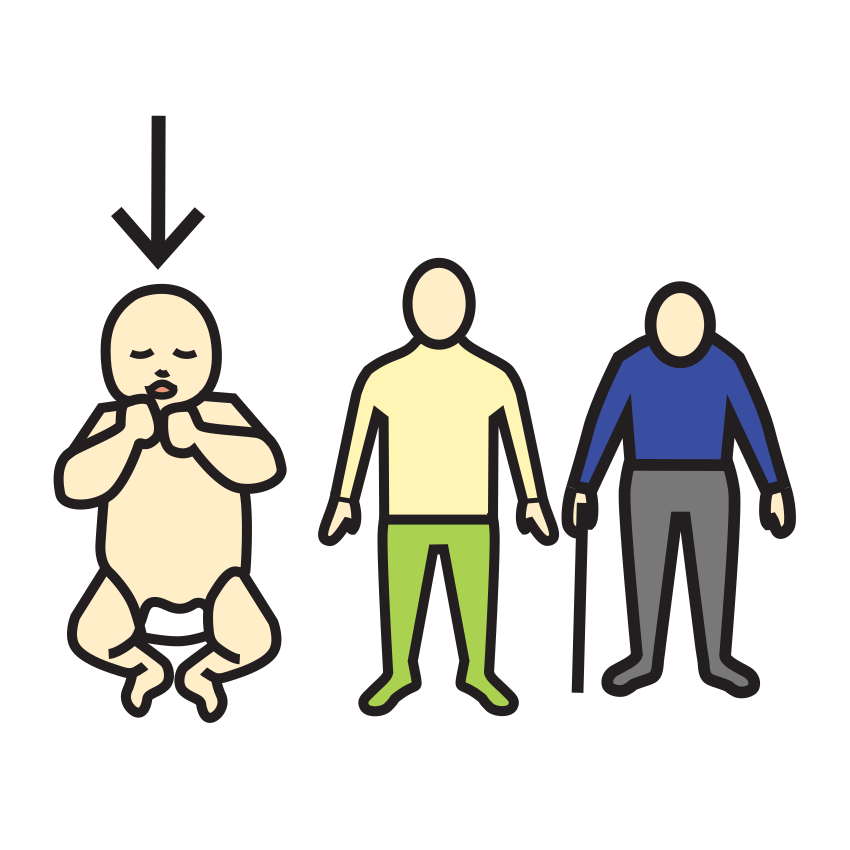 |
jeune adjective | adjective |
young trẻ; non; trẻ trung; trẻ tuổi, non trẻ, mới
“un jeune marié”
|
trẻ; non; trẻ trung; trẻ tuổi, non trẻ, mới |
| 185 | amour noun (m./f.) | noun (m./f.) |
love tình thương, tình yêu, lòng yêu; ái tình
|
tình thương, tình yêu, lòng yêu; ái tình | |
| 186 | commencer verb | verb |
to begin, commence bắt đầu; dạy vỡ lòng cho
“Ça commence à m’énerver.”
|
bắt đầu; dạy vỡ lòng cho | |
| 187 | 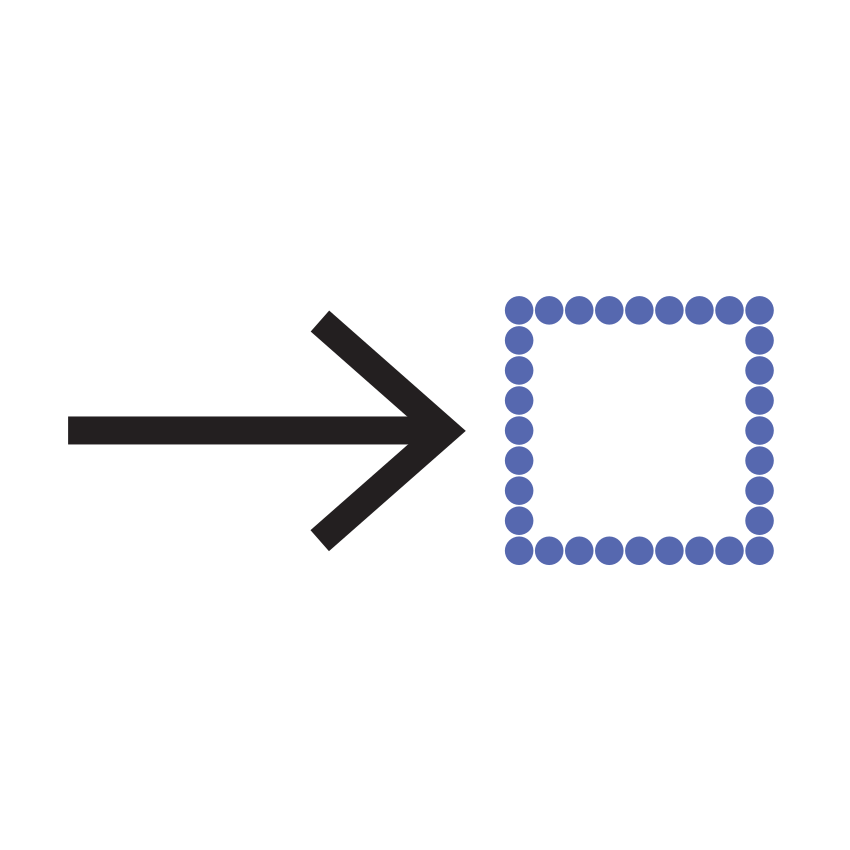 |
côté noun (m.) | noun (m.) |
side; way, direction cạnh sườn; bên, phía; cạnh
“Elle est parti de ce côté !”
|
cạnh sườn; bên, phía; cạnh |
| 188 | tomber verb | verb |
to fall; to come down ngã; sa vào, rơi vào; trúng vào, nhằm vào
“Un tamis placé à l'intérieur du dispositif empêchera les choses de tomber dans le tube.”
|
ngã; sa vào, rơi vào; trúng vào, nhằm vào | |
| 189 | 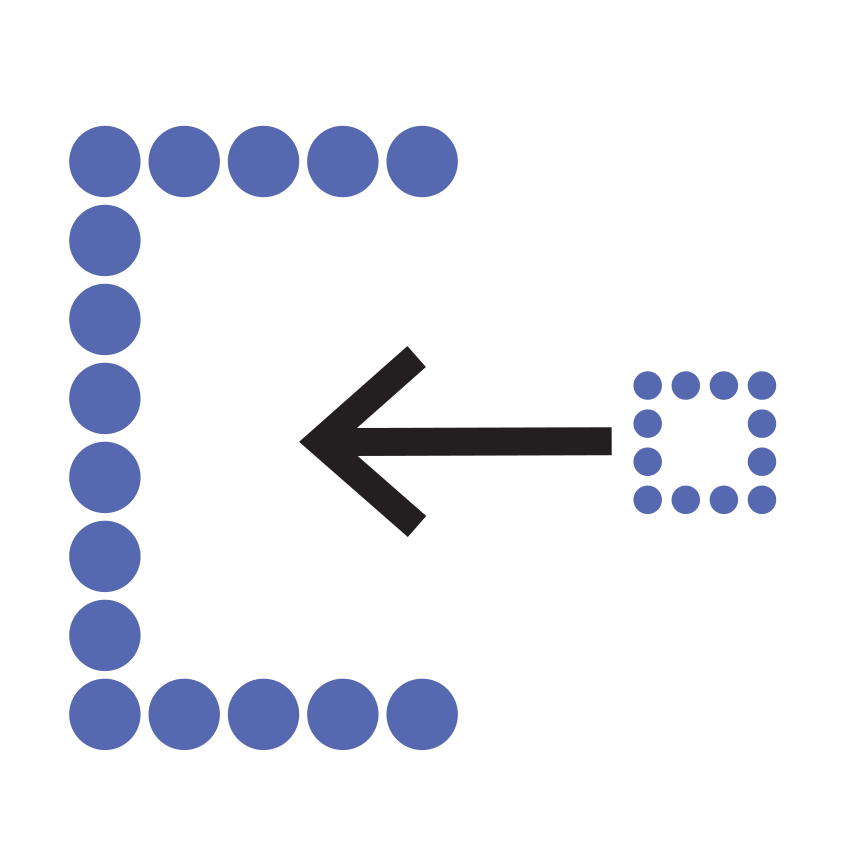 |
entrer verb | verb |
to enter vào, gia nhập; đi vào; tham dự
“Entrer dans la salle.”
|
vào, gia nhập; đi vào; tham dự |
| 190 |  |
aider verb | verb |
to help; to aid; to use giúp, giúp đỡ; cứu giúp, cứu trợ
“J’aide mon frère à porter ses cartons.”
|
giúp, giúp đỡ; cứu giúp, cứu trợ |
| 191 | vite adverb | adverb |
quickly nhanh; chống
|
nhanh; chống | |
| 192 | 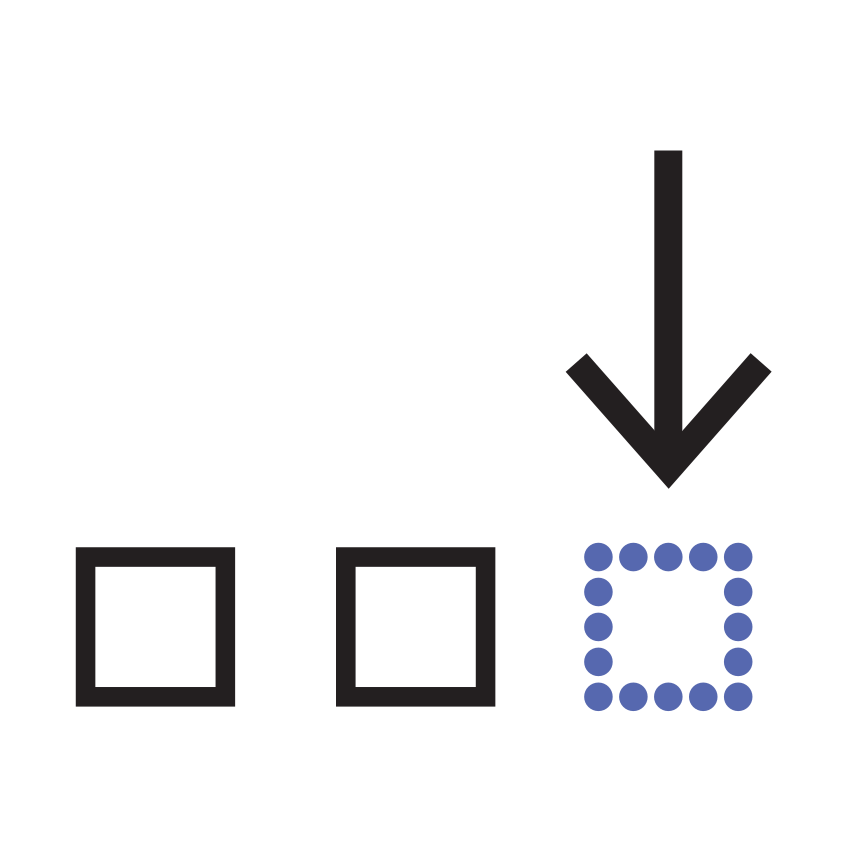 |
dernier adjective | adjective |
last; latest (most recent) cuối cùng, sau hết, chót; hèn hạ nhất
“Il est parti le mois dernier.”
|
cuối cùng, sau hết, chót; hèn hạ nhất |
| 193 | mot noun (m.) | noun (m.) |
word; note, (short) message từ; lời; lời nổi tiếng, danh ngôn
|
từ; lời; lời nổi tiếng, danh ngôn | |
| 194 | assez adverb | adverb |
to a sufficient or moderate degree; enough; sufficiently đủ
“Ce livre est assez intéressant pour que je veuille lire la suite.”
|
đủ | |
| 195 | tant adverb | adverb |
so much; so many nhiều đến nỗi mạnh đến nỗi
|
nhiều đến nỗi mạnh đến nỗi | |
| 196 | rentrer verb | verb |
to go back, to re-enter trở vào, trở về; mở lại, khai diễn lại; trở lại
“rentrer dans la salle”
|
trở vào, trở về; mở lại, khai diễn lại; trở lại | |
| 197 | juste adjective | adjective |
fair, just; reasonable, appropriate, grounded · (adverb) exactly, precisely; just, only công bằng; chính đáng
“quinte juste”
|
công bằng; chính đáng | |
| 198 | mal adverb | adverb |
badly · (noun) trouble, difficulty; pain xấu, dở, tồi; khó khăn, khó nhọc
“C'est mal fait.”
|
xấu, dở, tồi; khó khăn, khó nhọc | |
| 199 | sembler verb | verb |
to seem, to resemble, to look like có vẻ, hình như
“Il semblerait qu'il y ait des différences significatives entre les deux groupes.”
|
có vẻ, hình như | |
| 200 |  |
tirer verb | verb |
to draw, drag, pull; to shoot kéo; kéo thành sợi; lôi
|
kéo; kéo thành sợi; lôi |